

Choosing a beginner astrophotography telescope is not easy for a newcomer to the hobby. When you go shopping, you will quickly find out that stores offer telescopes in many different forms. Refractors? Reflectors? What about the size? And what the hell 'aperture' and 'F-stop' mean? I want to buy a decent scope to start astrophotography in my backyard and not ruin my budget on the way! If you want to take sharp and colorful pictures of nebulae, galaxies, and star clusters in the comfort of your backyard with your DSLR or mirrorless camera, you are in the right place. Welcome to my Ultimate Guide to Choosing your First Telescope for Astrophotography.
Jump to:
- Astrophotography Telescope for a Beginner Deep-Sky Imager - Most Important Factors
- Comparison Table of 5 Best Astrophotography Telescopes for Beginners in 2021
- A Detailed Look at 5 Best Astrophotography Telescopes for Beginners
- 1. Sky-Watcher Evostar 72ED
- 2. Rokinon/Samyang 135mm F/2.0
- 3. William Optics ZenithStar 61
- 4. Sky-Watcher ProED 80
- 5. Explore Scientific 80 mm ED
- Honorable Mentions
- 💬 Comments
First of all - I'm not a worldwide-recognizable astrophotographer with many Astronomy Picture of the Day (APOD) awards on my shelf. I'm just a regular guy from Poland, who always wanted to photograph the night sky using a telescope - and nowadays I do it! So in this guide, I will tell you what telescope I would choose today if I were in your place - right at the beginning of this hobby.
Astrophotography Telescope for a Beginner Deep-Sky Imager - Most Important Factors
Choosing a beginner astrophotography telescope is somehow different than picking up scope for visual observations. So many beginners think that they should buy the biggest telescope they can afford, no matter what. Yet it would help if you did the opposite thing. As a beginner astrophotographer, your goal should be to simplify things. Building a small and portable astrophotography rig that you can both use in your backyard (or a balcony in an apartment, like me) but also be able to take it outside the city under the clear skies is the way to go. Why?
- It's a cheaper way to start. Astrophotography can really drain your wallet and by making smart buying decisions, you are able to get the best bang from your buck.
- It will be easier to learn. A smaller telescope, a smaller equatorial mount, less weight = easier to set up, easier to operate, less stress.
- If you live in a city, going the first time into the dark-sky place will be a mindblowing experience for you. You will quickly learn that doing astrophotography in an artificially light-polluted city is a lot harder than under the dark skies. And the lighter your astrophotography rig is, the easier it will be for you to carry it outside your garden/balcony.
All of that doesn't mean that you should buy the cheapest gear available. No - the most inexpensive telescopes out there is garbage. But I hope that after reading this guide, you will thoroughly choose a great telescope to start your astrophotography adventure.
Telescope Design Type - Reflector or Refractor?
There are different telescope types on the market, but the best one is a simple refractor for a beginner astrophotographer, specifically the apochromatic refractor (APO) telescope. It's a classic pirate-like telescope construction, and it's the best one for beginner astrophotographers. Why?
- It doesn't require any serious maintenance (like collimation - and if it does, it happens very rarely). Keep your glasses clean, and you are ready to go.
- It's easy to operate. As a beginner, you don't want to make things any harder, especially that you have many other things to learn about astrophotography than operating the telescope itself. Make this hobby simple at the start, and it will save you many frustrations on the road.
Size / Weight
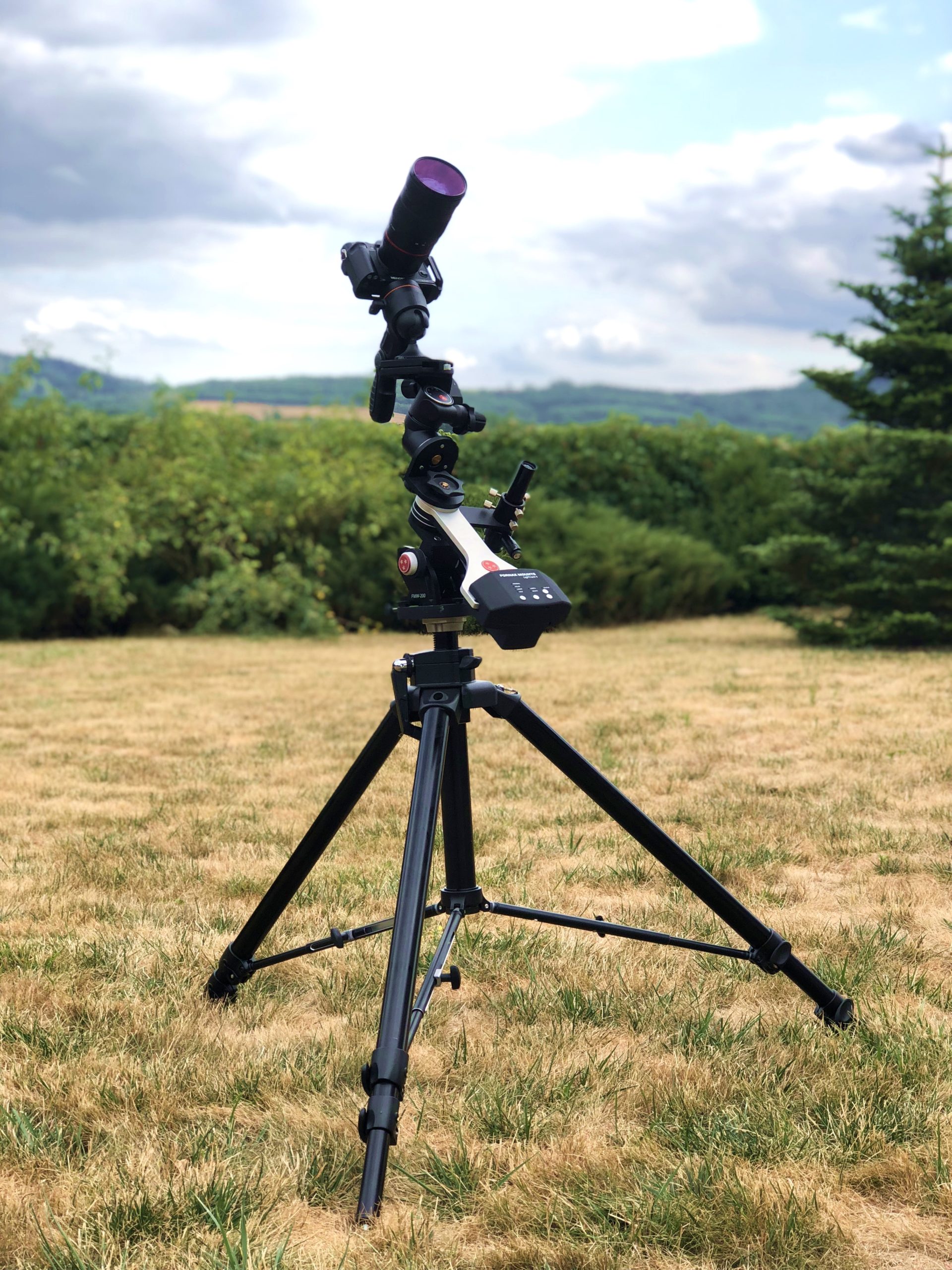
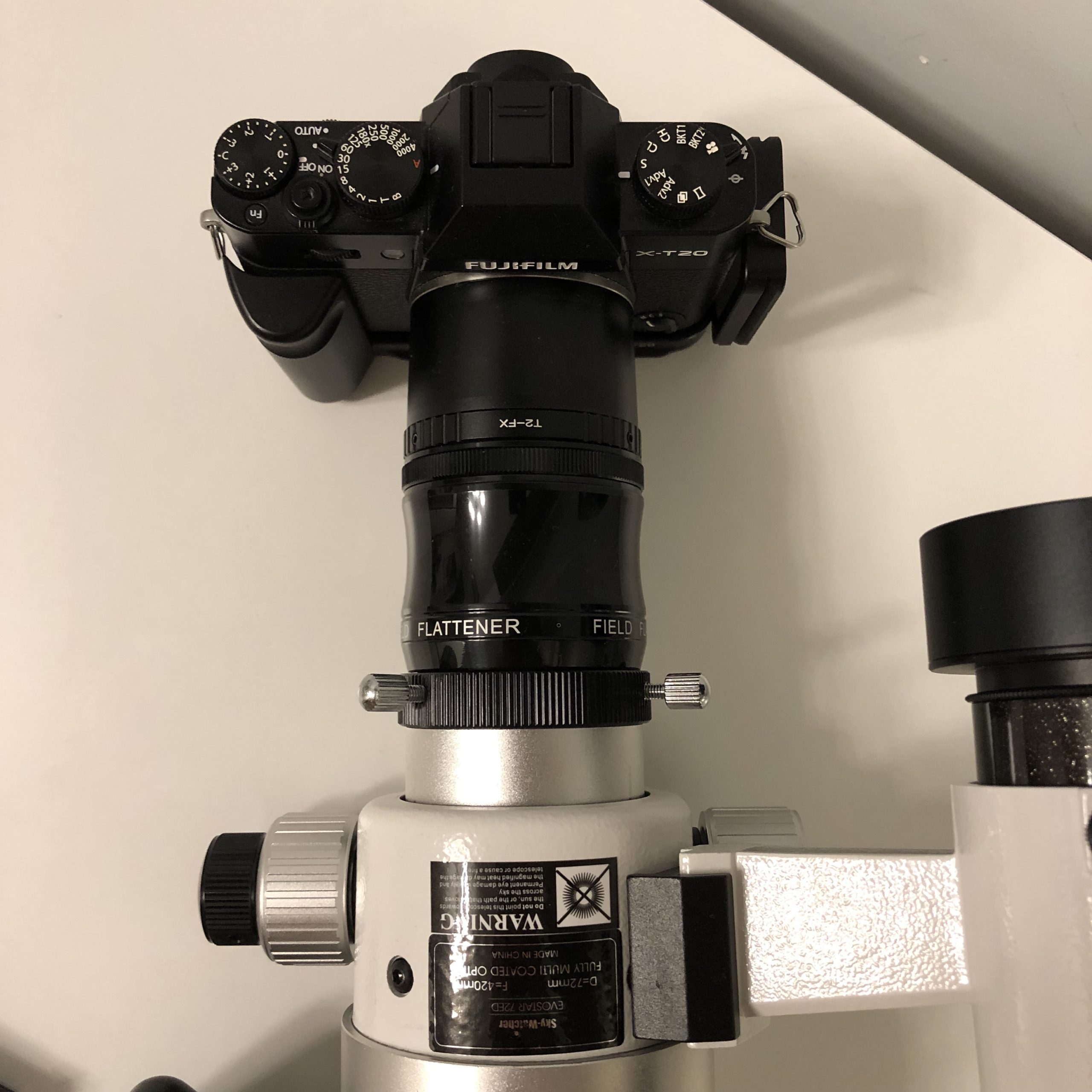
A telescope is only a single part of a whole astrophotography rig. Telescope itself doesn't take images - you need a camera (DSLR or mirrorless is the best pick for a beginner), some adapters to plug it into the telescope, a solid tripod, and the most critical component - the equatorial mount (if you don't know what the equatorial mount is, check out my Astrophotography for Beginners guide). Every equatorial mount on the market has two parameters:
- Maximum load capacity - you won't be able to use a 20 lbs telescope on a tiny, entry-level mount.
- Tracking accuracy - the longer the focal length ("zoom" - more on this in a moment) of a telescope is, the more precise (and, well, more expensive) the mount has to be to achieve expected tracking accuracy.
Generally speaking, the better the mount, the more expensive it is - no surprises here.
Ok, but what has that got to do with choosing a telescope?
Said, you should choose a lightweight telescope with a wide field of view. That way, you can successfully use it with cheaper equatorial mounts and enjoy the hobby in a budget-friendly way. Of course, you will upgrade your gear someday if you find the hobby enjoyable (spoiler: you probably will, like the vast majority of us).
Aperture, Focal Length, and Speed
The aperture (e.g., 72mm) of a telescope is the diameter of the light-collecting lens in front of your refractor. This parameter is more critical for visual observations than astrophotography. It doesn't hurt to have a bigger glass rather than a smaller one, but don't judge telescopes for astrophotography by this number only.
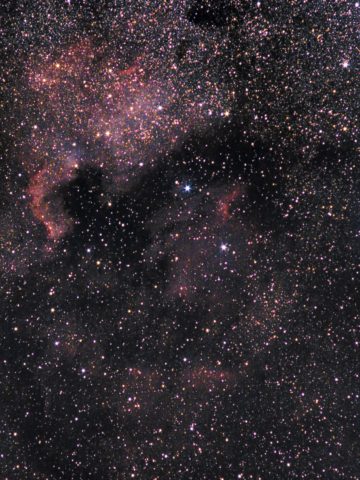
The focal length (e.g., 420mm) is, using simple words, how much zoom your telescope has. It determines FOV (field of view): the greater the focal length, the greater the zoom. Shorter telescopes (like 100mm or 200mm) are suitable for large nebulae (like North America Nebula). Medium-sized (400mm-600mm) is ideal for smaller nebulae (Orion, Rosette Nebula), bigger galaxies (Andromeda Galaxy), Moon, and star clusters (Pleiades). Enormous focal lengths (1000mm+) are suitable for tiny galaxies (many of them are available to photograph in Spring) and planets.
Speed (e.g., f/5.8) determines how fast your telescope collects light. This is one of the most important factors when choosing a beginner astrophotography telescope. The smaller the F-stop, the shorter time is needed to photograph a celestial object.
Just a note here - you can modify your telescope's focal length and speed by using focal reducers. A focal reducer is an optical element mounted into your imaging train that multiplies the telescope's focal length by some number. Let's say you have a 72mm (aperture) 420mm focal length telescope. Its speed equals focal length/aperture = f/5.8. If you install a 0.85x reducer, then it comes 72mm aperture (that doesn't change), 420x0.85 = 357mm focal length, and 357mm/72 = f/4.95 speed. Overall the telescope becomes wider and faster. Reducers are useful if you have a too large telescope for larger astrophotography targets.
Optical Quality - Glass Type
Manufacturers utilize different materials to construct their telescopes. If you are looking for a beginner astrophotography telescope, you should seek one with high-quality low-dispersion glass. Those telescopes are not cheap, but they guarantee excellent astrophotography colors in your nebulae and stars.
Comparison Table of 5 Best Astrophotography Telescopes for Beginners in 2021
Now when you know which factors are crucial when choosing a beginner astrophotography telescope, let's dive into the five best telescopes currently on the market for beginner astrophotographers.
Table setup not completed.A Detailed Look at 5 Best Astrophotography Telescopes for Beginners
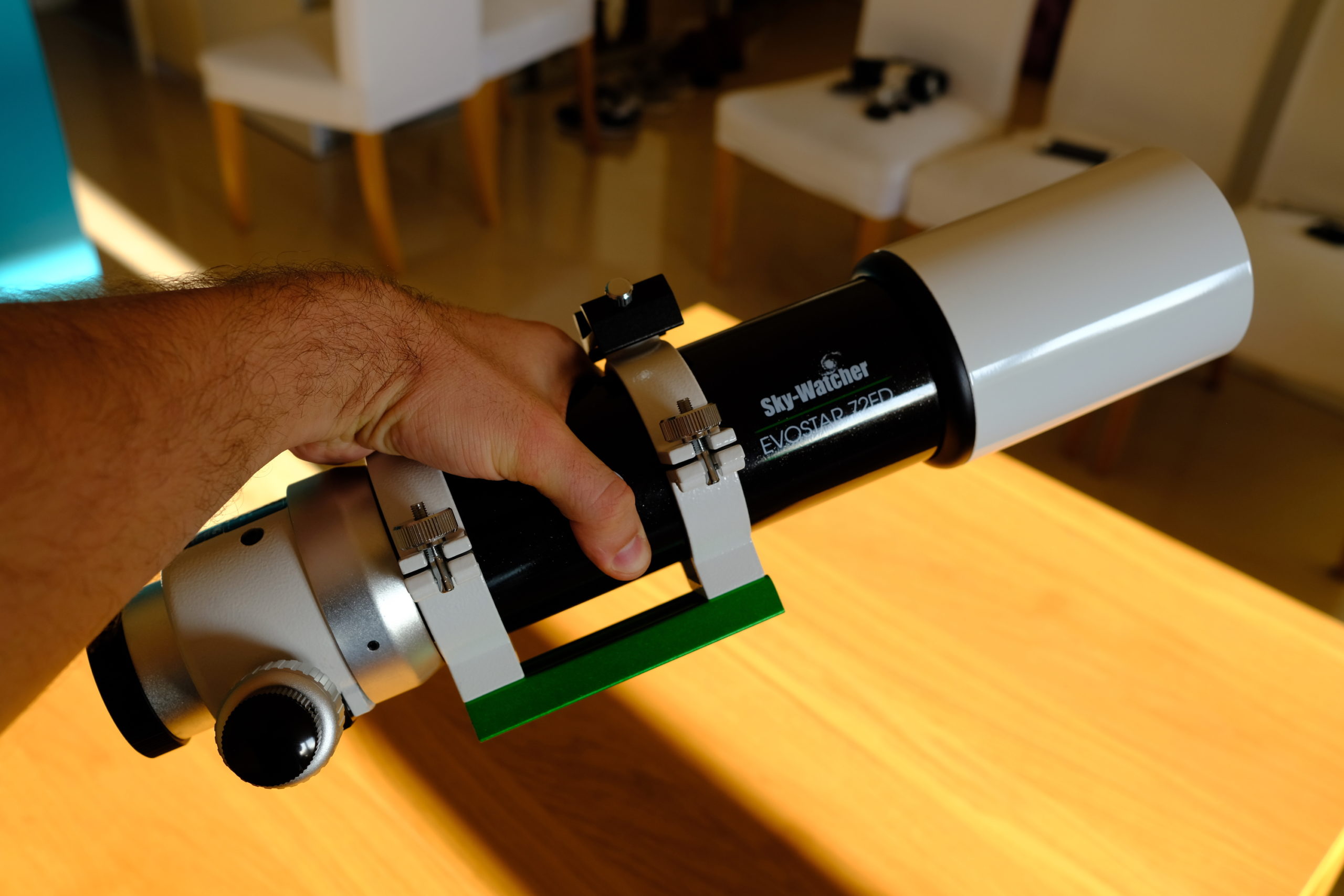
1. Sky-Watcher Evostar 72ED
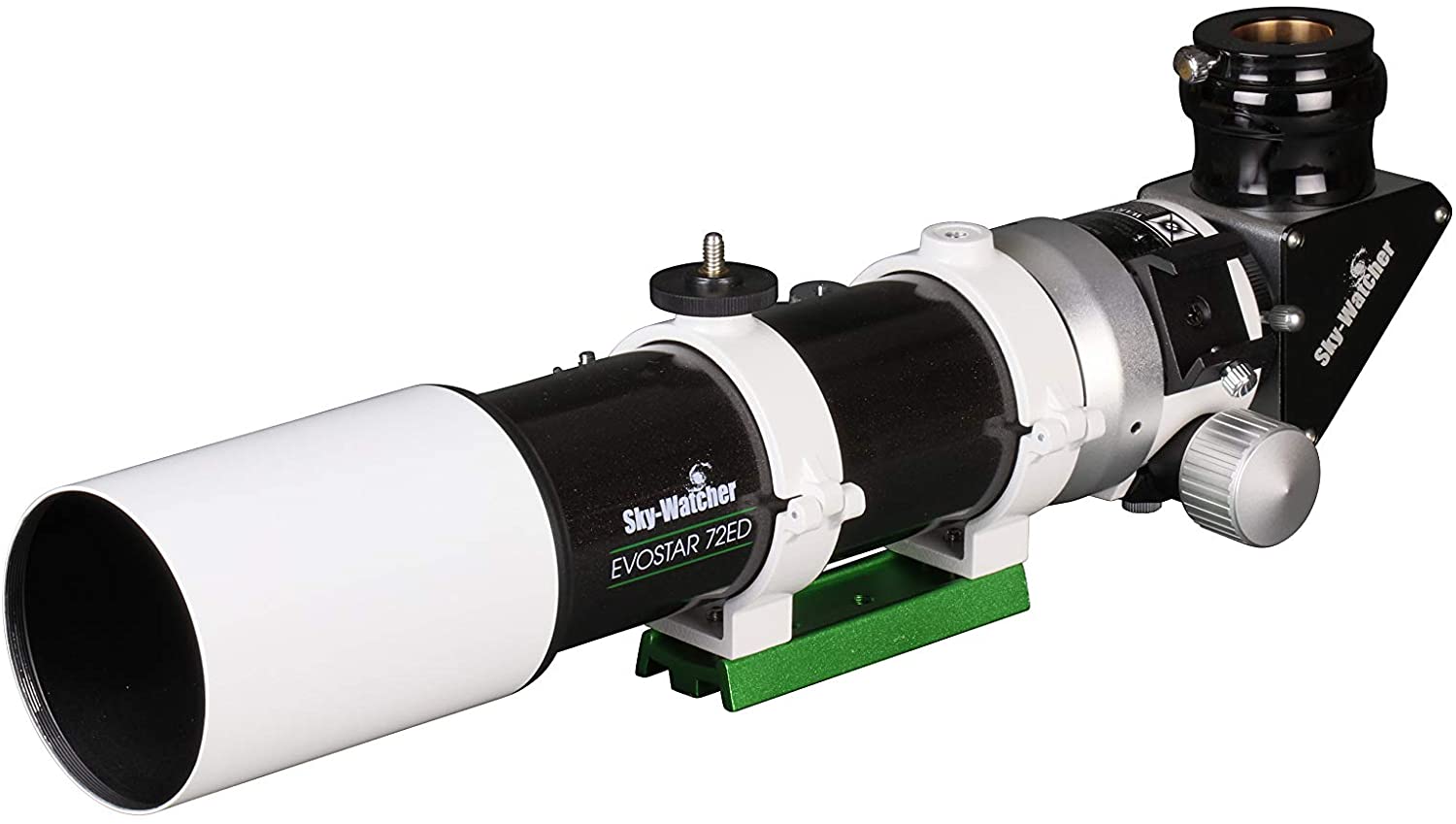
| Manufacturer | Sky-Watcher |
| Aperture | 72mm |
| Speed | f/5.8 |
| Focal Length | 420mm |
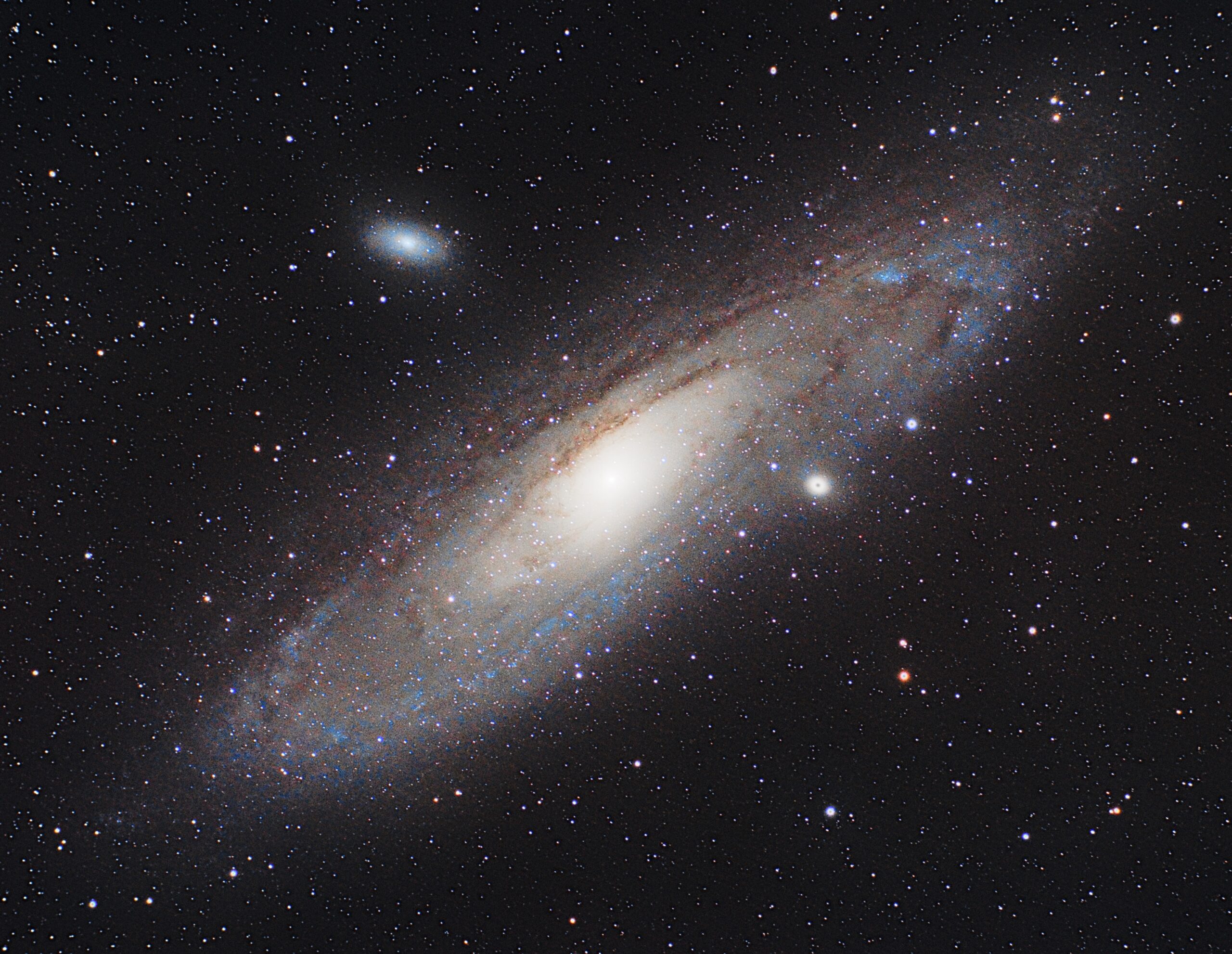
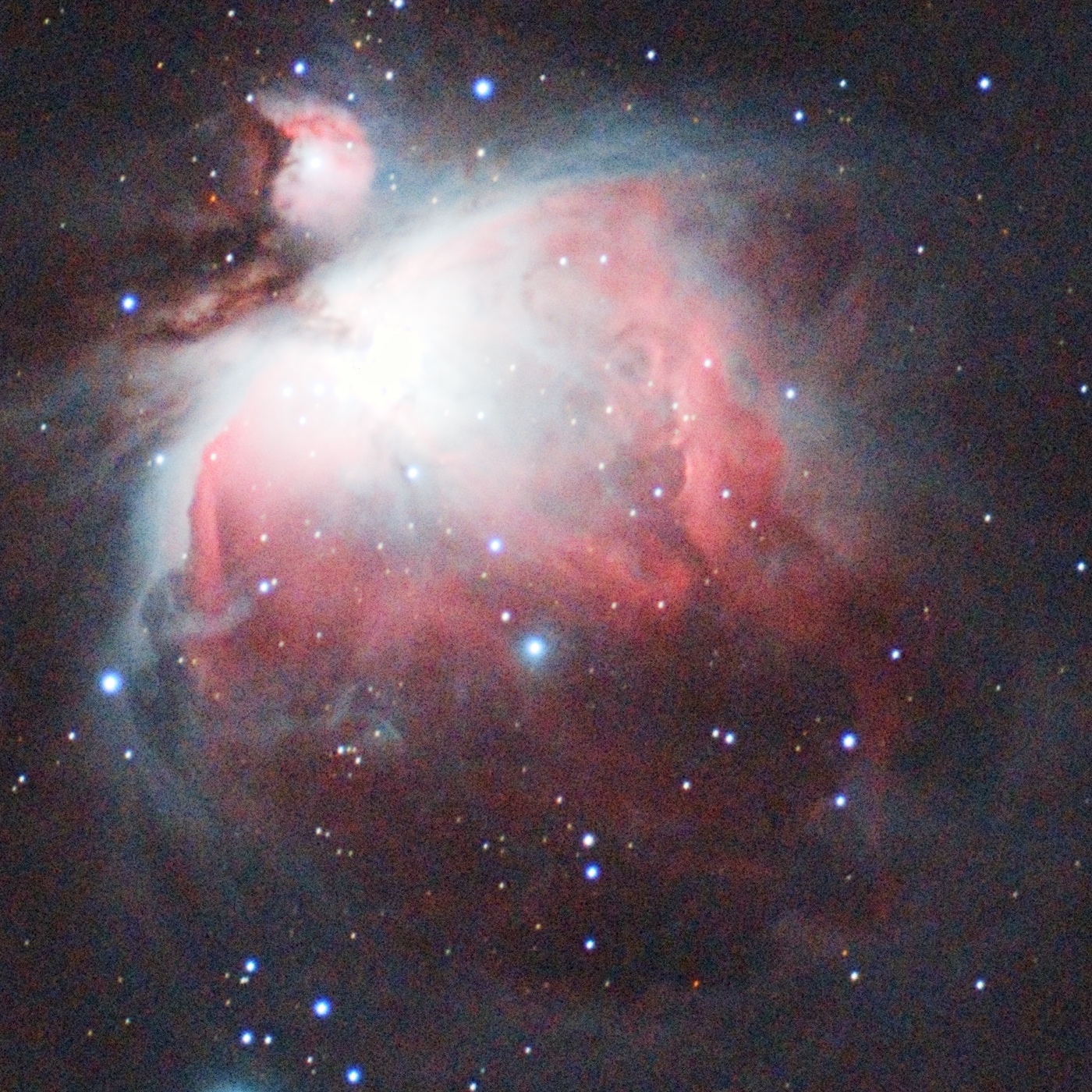
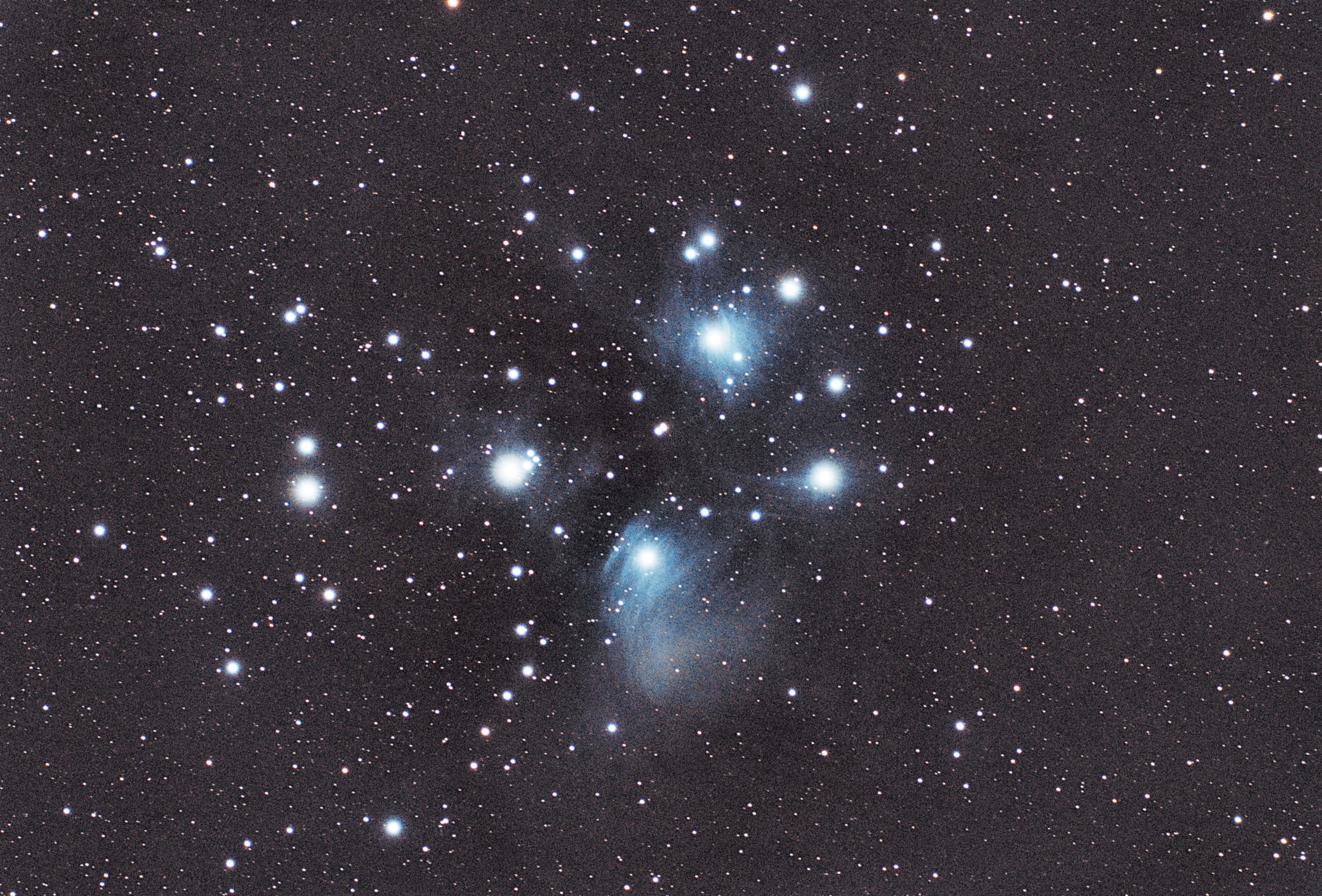
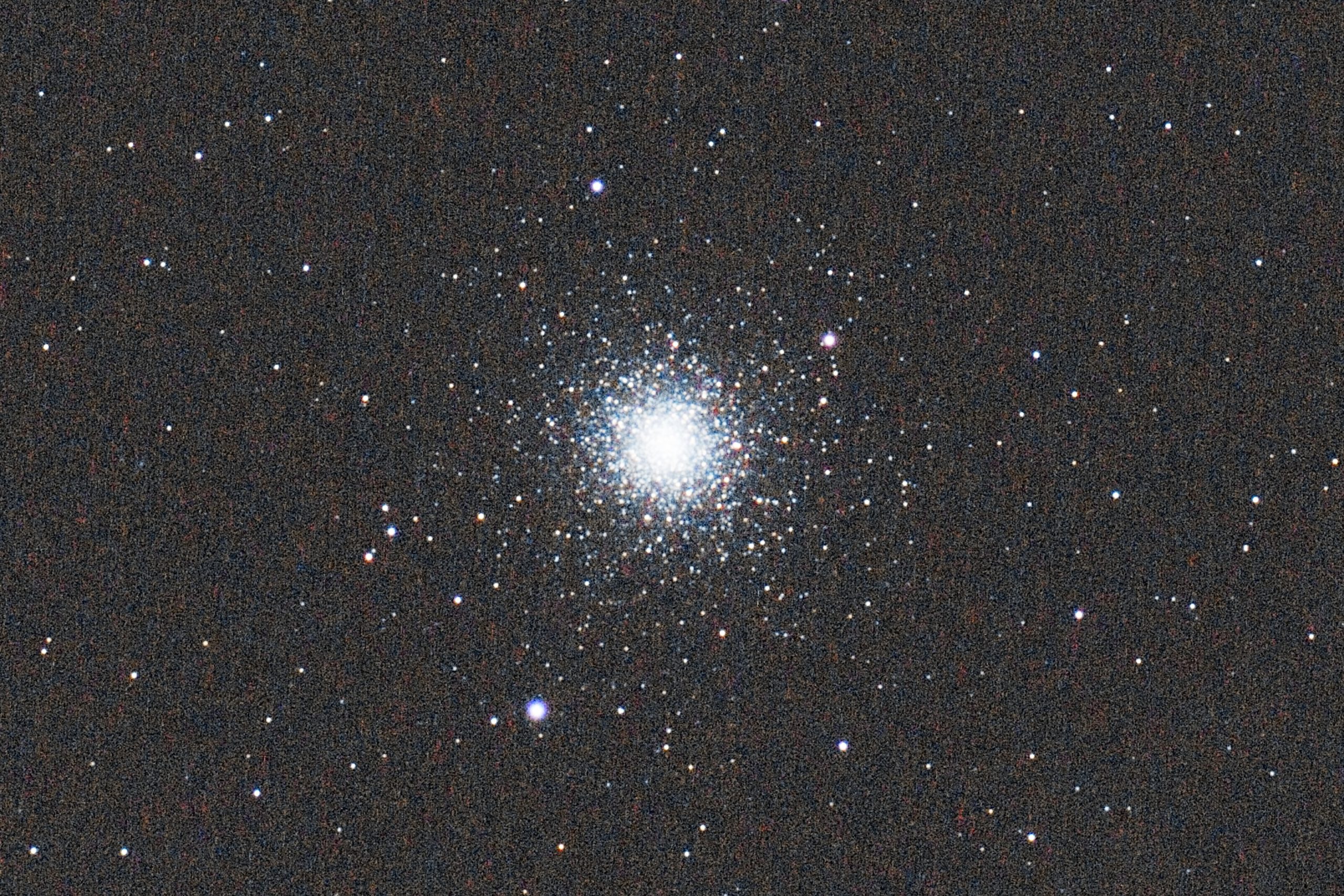
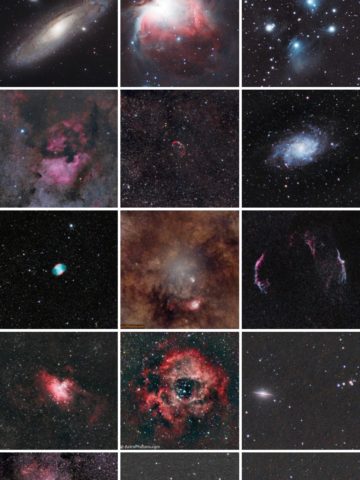
Skywatcher Evostar 72ED is my telescope of choice that I use daily (nightly?). It's a perfect mixture of speed, focal length, quality, and price for the first telescope for astrophotography. I have been using it for several months now, and I'm simply in love with it. Why? Let the pictures I have captured below speak for themselves (you can also read my full review of the Sky-Watcher Evostar 72ED).
Sky-Watcher Evostar 72ED Sample Astrophotography Pictures
Sky-Watcher Evostar 72ED Pros and Cons

Pros
- Outstanding value for money
- Wide field of view
- Small and portable
- FAST - f/5.8
- 2″ Crayford-type dual-speed focuser
- Good optics quality (MHC Multi-Coating)
- Well corrected in terms of color reproduction

Cons
- It's only a doublet construction, not triplet or quadruplet
No products found.
2. Rokinon/Samyang 135mm F/2.0
| Manufacturer | Rokinon (US) / Samyang (Europe) |
| Aperture | 77mm (filter size) |
| Speed | f/2.0 (!) |
| Focal Length | 135mm |
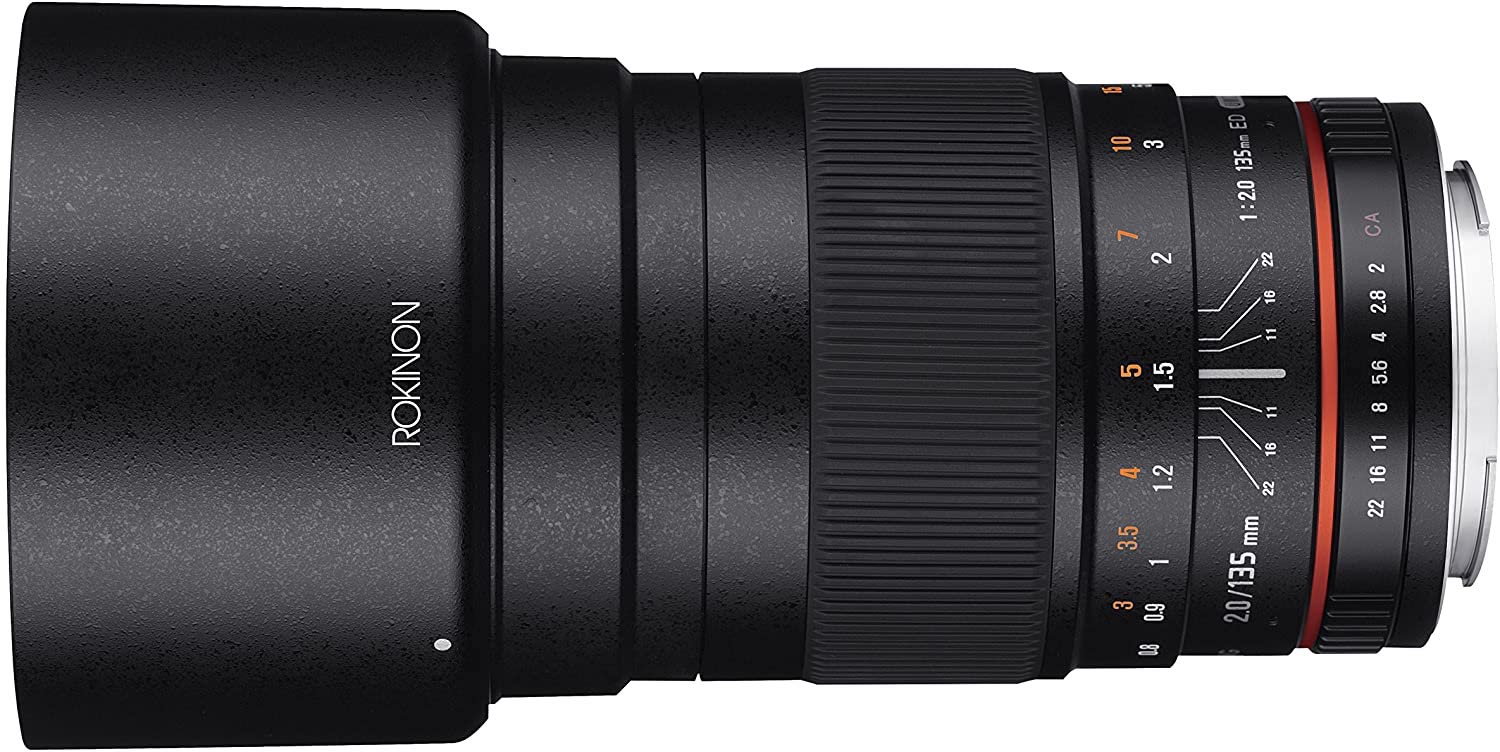
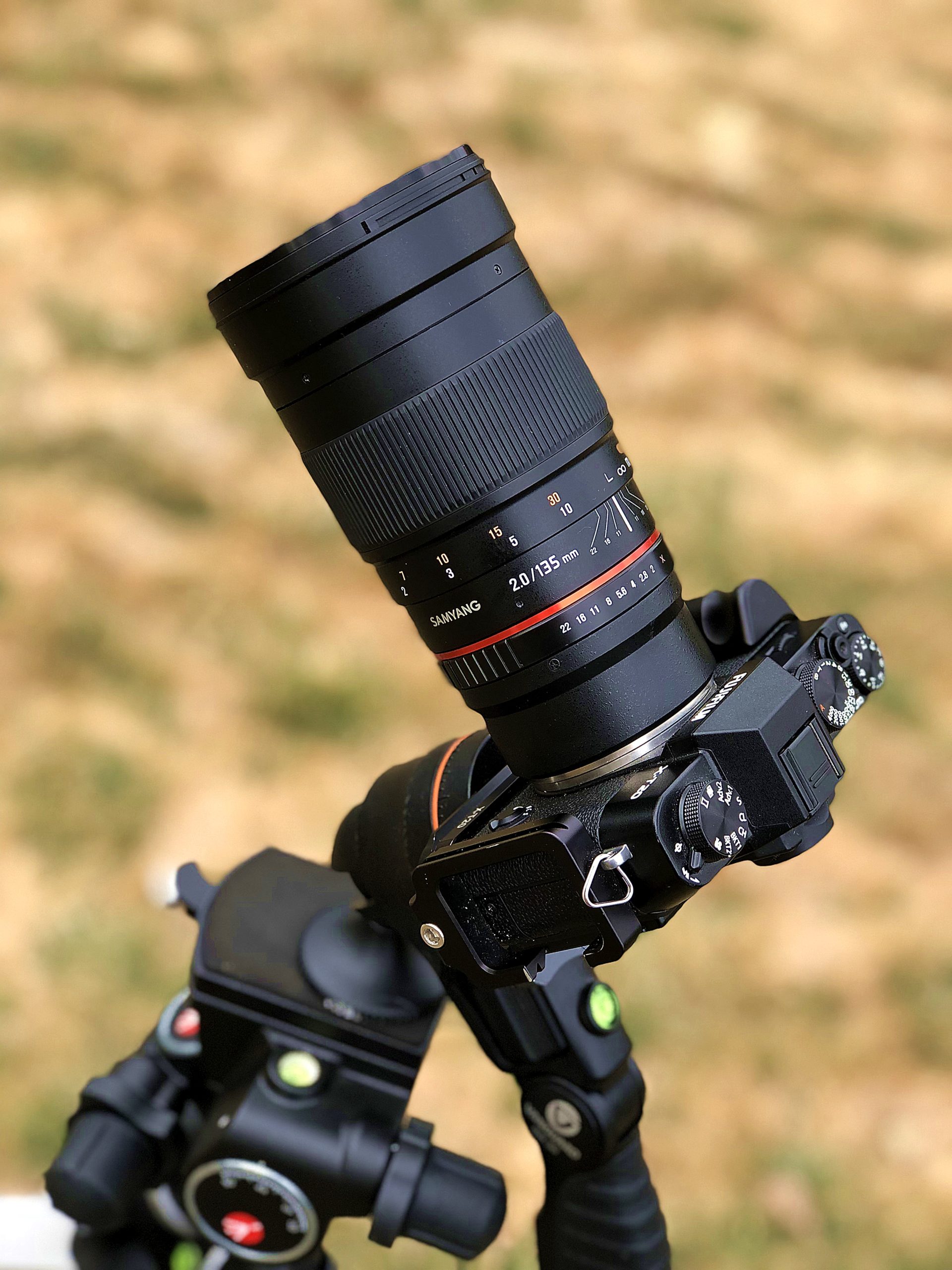
Rokinon 135mm f/2.0 is not considered a telescope - it's a telephoto lens. Still, it's so good at the job as if it was constructed for astrophotography specifically (and maybe it has been). It's the fastest "telescope" here (f/2.0), producing outstanding images of our universe. Furthermore, the lens is available for most DSLR and mirrorless camera brands on the market, so you don't need any adapters to plug it into the camera like with telescopes. Check out my pictures captured with this Rokinon below.
Rokinon/Samyang 135mm f/2.0 Sample Astrophotography Pictures
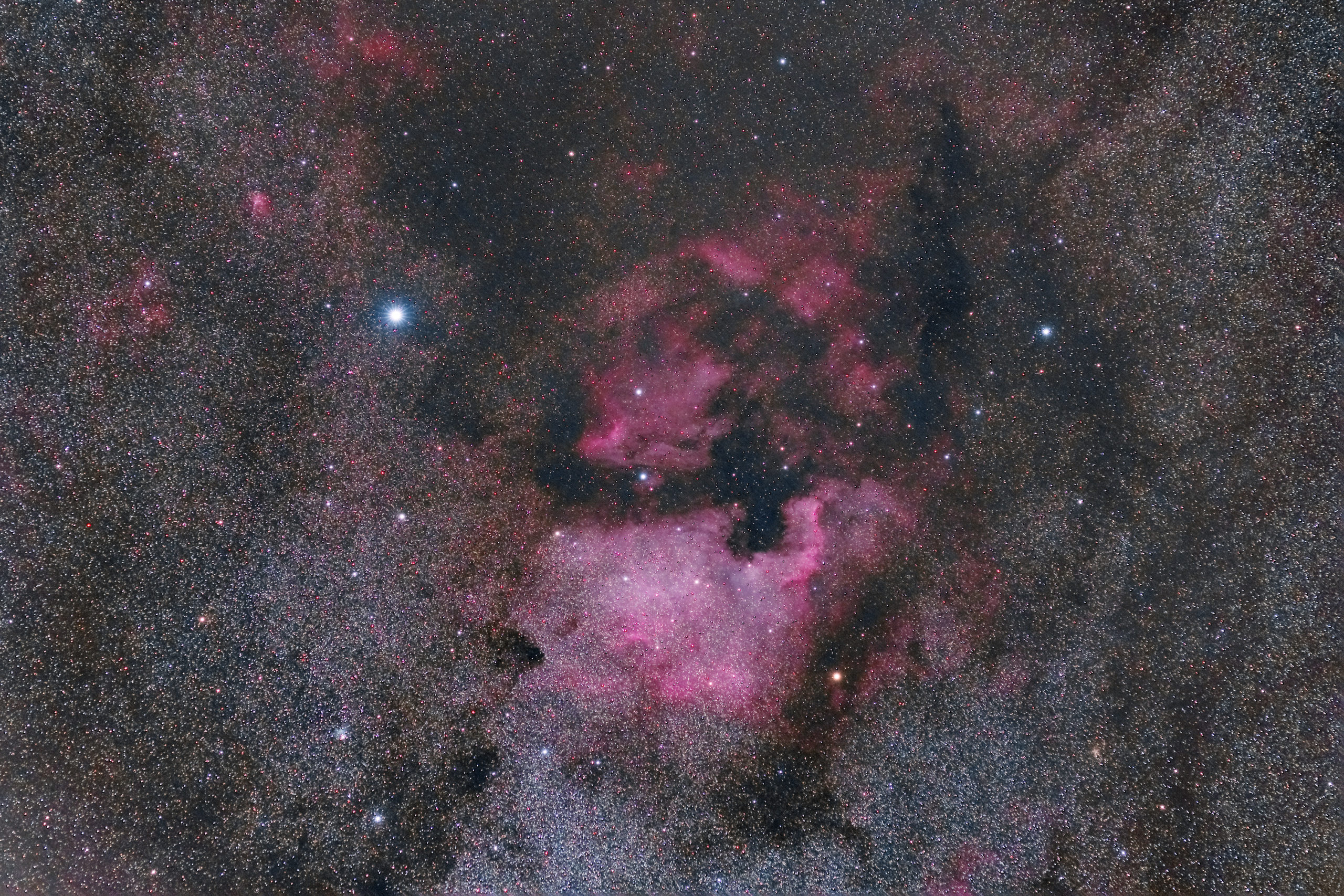
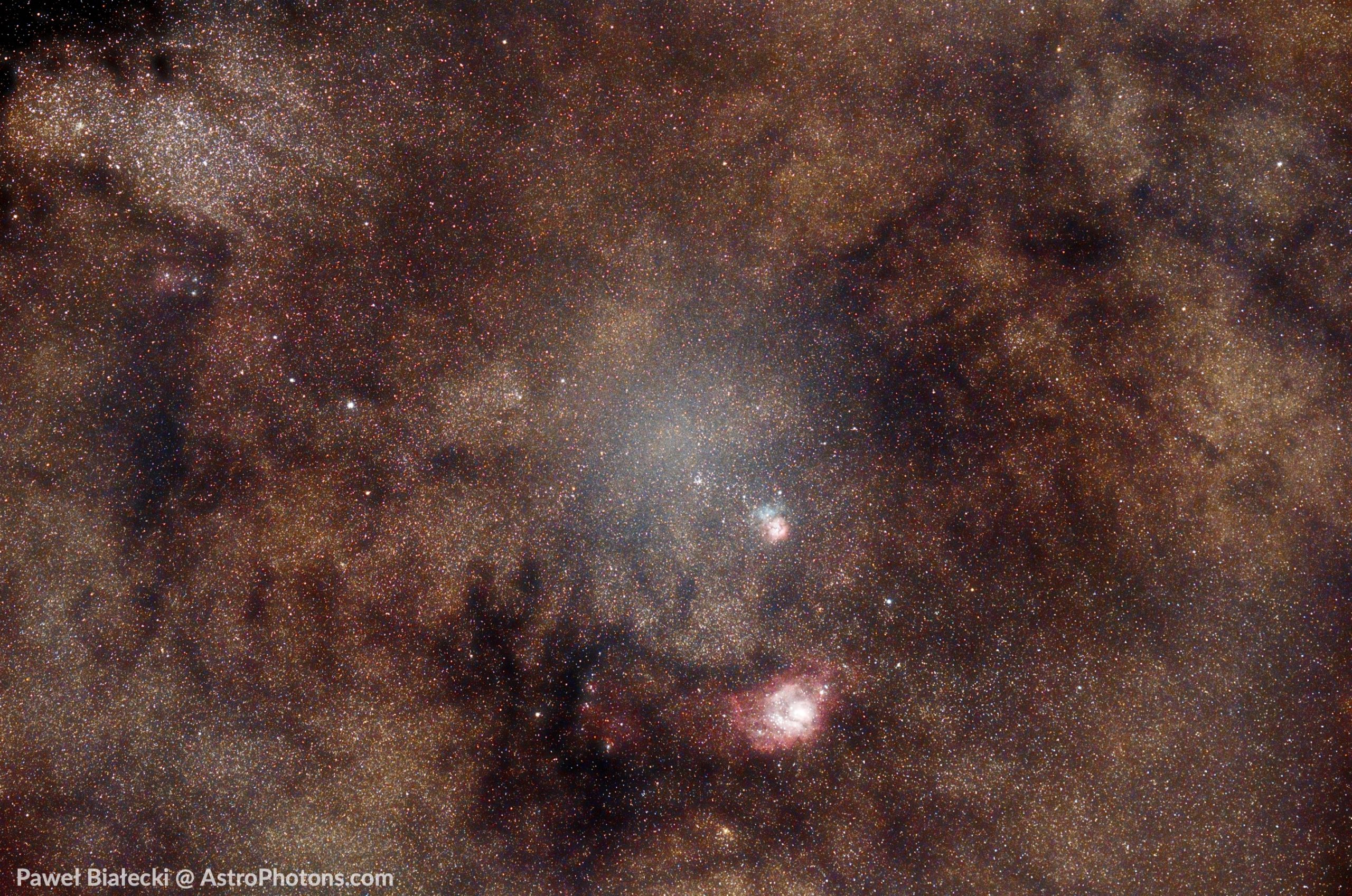
View more samples in my full Rokinon 135mm f/2 astrophotography review.
Rokinon/Samyang 135mm F/2.0 Pros and Cons
Pros
- Fantastical optical quality
- Super wide field of view
- Lightweight and portable
- Easy manual focus
- Exceptional value for money
- You can use it with photography 77mm filters, both screw-in (on the lens) and clip-in (inside the camera - some brands only <Canon>)
- Probably the best telephoto lens for astrophotography on the market
- It can be easily used outside the astrophotography as a portrait or landscape telephoto lens
Cons
- You cannot use it with telescope (1.25" and 2.0") filters
- Not very sharp at f/2.0; performs far better at f/2.8, and is best at f/4.0 - it's still speedy for astrophotography
- Some coma on the edges, even on f/4.0
No products found.
3. William Optics ZenithStar 61
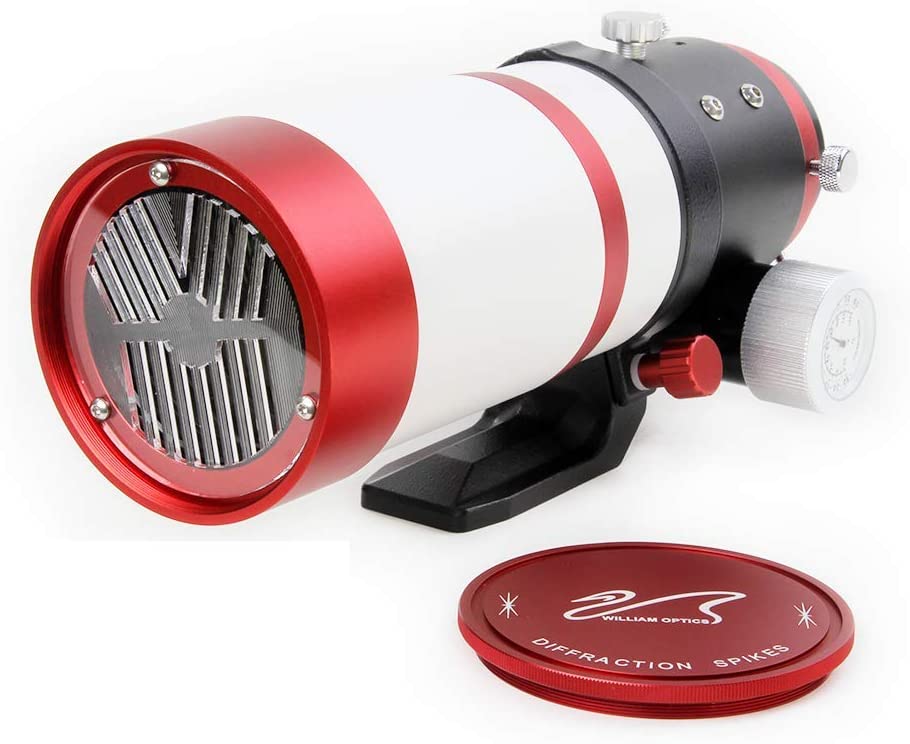
| Manufacturer | William Optics |
| Aperture | 61mm |
| Speed | f/5.9 |
| Focal Length | 360mm |
This little APO telescope is designed for travel astrophotography. It's lightweight and widefield so that you can use it on a smaller equatorial mount without tracking issues. It has an integrated Bahtinov mask for easy and fast focusing in the night. Also, it's simply beautiful. If I were starting astrophotography today, I would seriously consider this telescope for myself. Check out sample astrophotography images taken with WO ZenithStar 61 APO on AstroBin. + More here
No products found.
William Optics ZenithStar 61 Pros and Cons
Pros
- Very lightweight and portable
- Fast
- Sharp
- Super-widefield
- It comes with a Bahtinov mask
- Beautiful design
Cons
- Price could be a bit smaller
Review on the Sky at Night Magazine
4. Sky-Watcher ProED 80
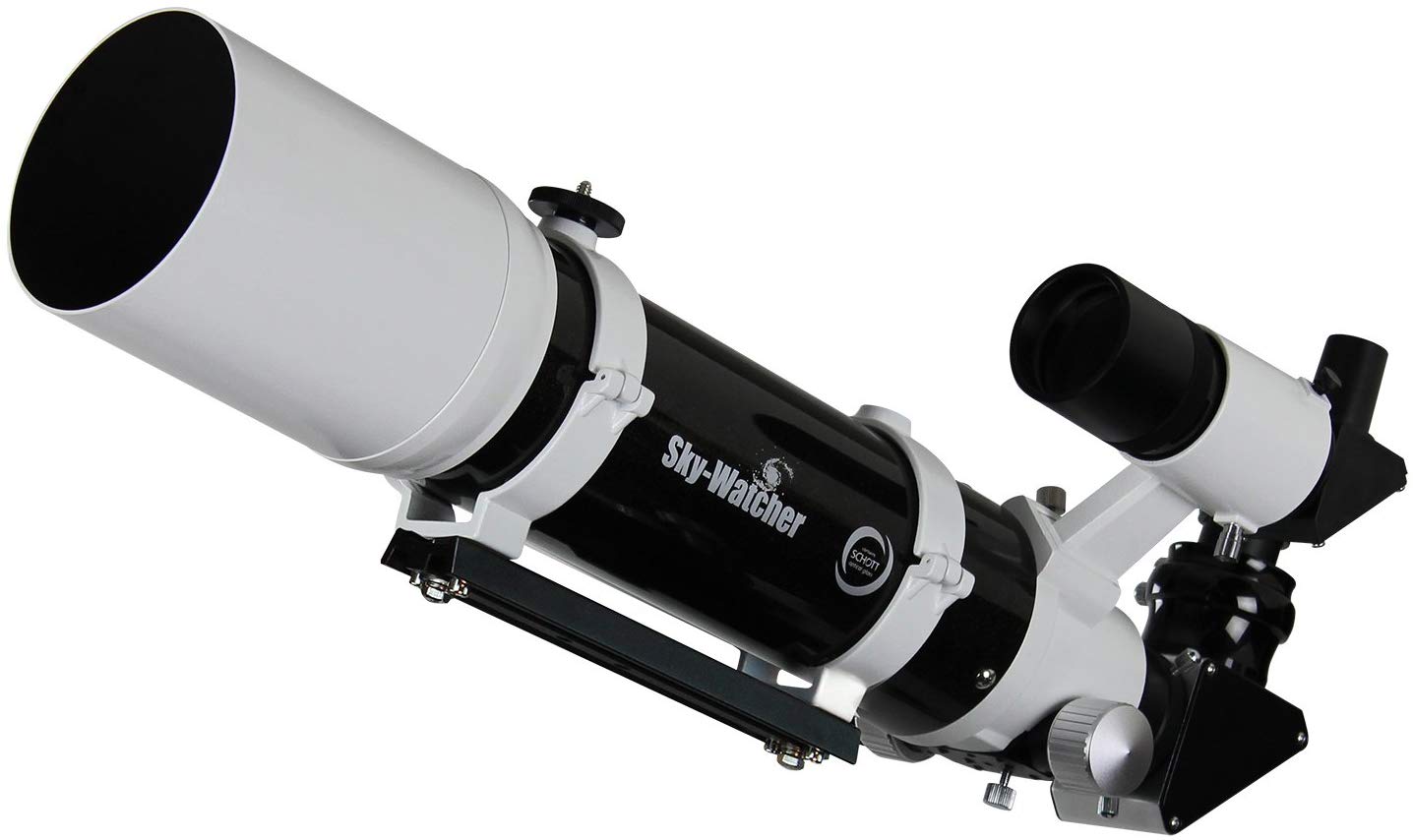
| Manufacturer | Sky-Watcher |
| Aperture | 80mm |
| Speed | f/7.5 |
| Focal Length | 600mm |
Sky-Watcher ProED 80 (currently in the process of rebranding into Evostar) is the bigger brother of the Evostar 72ED from the beginning of this article. It is one (if not the one) of the most popular astrophotography telescopes out there - and not without reason. It comes with a modestly wide field of view (600mm focal length - just perfect to fit the Andromeda Galaxy), the Sky-Watcher's Metallic High-Transmission Coatings (MHC), a Dual-speed Crayford-type focuser (focusing takes less than a minute), and a good value for money. This telescope is an excellent choice for a beginner backyard astrophotographer but not the best one for travel and backpacking. Check sample astrophotography images captured with ProED 80 on AstroBin.
Sky-Watcher ProED 80 Pros and Cons
Pros
- A reputable brand
- Good build quality
- Well-corrected chromatic aberration
- Universal focal length
- High sharpness
- High-quality coatings
- Crayford-type focuser
- Good value for money
Cons
- Modestly widefield - you may need to buy an additional field reducer to fit some larger nebulae (like North America Nebula) into the camera frame
- Modest speed - f/7.5 is not bad, but not great also. A field reducer would speed up this telescope significantly.
- Not the most affordable telescope here (yet still in a good price range)
No products found.
5. Explore Scientific 80 mm ED
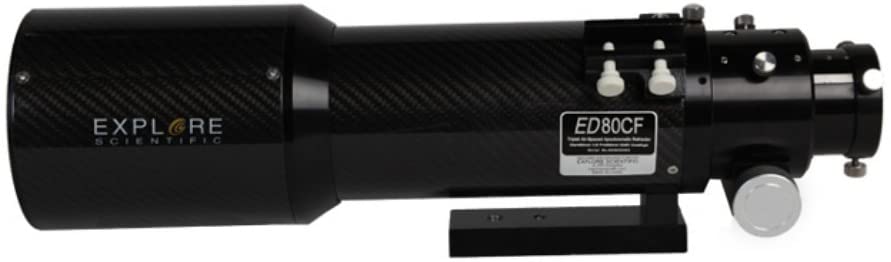
| Manufacturer | Explore Scientific |
| Aperture | 80mm |
| Speed | f/6 |
| Focal Length | 480mm |
And last but not least the Explore Scientific 80mm ED APO telescope. It's the most pricey one on the list, and for a reason. It's a somewhat similar telescope to the Sky-Watcher ProED 80 listed above - it has the same aperture as the Sky-Watcher, but it's almost six lbs/2.5 kg lighter than it. I would consider taking this telescope for astronomy camping when the Sky-Watcher 80 I would not. The other plus for a beginner is a shorter focal length - 480mm in Explore Scientific and 600mm in the Sky-Watcher, so you don't need an additional focal reducer for this telescope (but using one would speed up it even more). It's worth considering the scope if you are not on a budget. Check out sample astrophotography pictures taken with Explore Scientific 80 mm ED telescope on AstroBin.
Explore Scientific 80 mm ED Pros and Cons
Pros
- Very lightweight for its optical design
- Triplet glass
- A reputable brand
- Good build quality
- Universal focal length
Cons
- Pricey
No products found.
Honorable Mentions
Looking for more interesting beginner astrophotography telescopes? Here are another five excellent types:
No products found.

Comments
No Comments